How to Catch Snook Around Sanibel Island, Fort Myers & Pine Island Sound
Snook are one of the fish that make inshore fishing in Southwest Florida so much fun. Known for their black lateral line, explosive strikes, and powerful runs, they are a favorite target in the waters around Sanibel Island, Fort Myers, San Carlos Bay, and Pine Island Sound.
I’m USCG-licensed Captain Drew Underwood of Chum Crazy Charters. I’ve fished Florida waters my entire life and have professionally guided anglers since 2013 through our local backcountry flats, oyster bars, and mangrove islands, departing from the Punta Rassa Boat Ramp at the base of the Sanibel Causeway. Snook aren't always easy, and conditions change daily, but understanding how they react to moving water and structure is the key to consistent success. Here is an honest, experienced breakdown of how we target them in our local backwaters.
1. Locating Snook: Tidal Flows, Pinch Points & Natural Structure
Snook are classic ambush predators. They rarely roam open, featureless flats; instead, they position themselves where moving water funnels bait directly into their line of sight.
- Mangrove Shorelines & Undercut Roots: Shaded overhangs, fallen timber, and eroded root systems provide ideal cover where pilchards, glass minnows, and small bait get swept along by tidal movement.
- Tidal Pinch Points & Passes: Natural bottlenecks where water velocity accelerates between islands, oyster bars, and mangrove creeks create areas where moving water funnels bait through narrow openings into concentrated feeding stations.
- Tidal Flow Around Mangrove Creeks & Islands: In dynamic coastal ecosystems like the waters surrounding Sanibel Island and the J.N. "Ding" Darling region, natural passes, creek mouths, and tidal flow-through areas connect interior mangroves to open bay waters. Moving water pushes bait through these narrow areas, creating prime ambush points where snook sit waiting in the current seams. (Note: Always respect federal refuge boundaries, closed areas, and local FWC regulations.)
- Bridge Pilings & Causeway Rock Piles: Heavy structural zones around the Sanibel Causeway hold fish during seasonal water temperature shifts as current sweeps past the pilings and rip-rap.

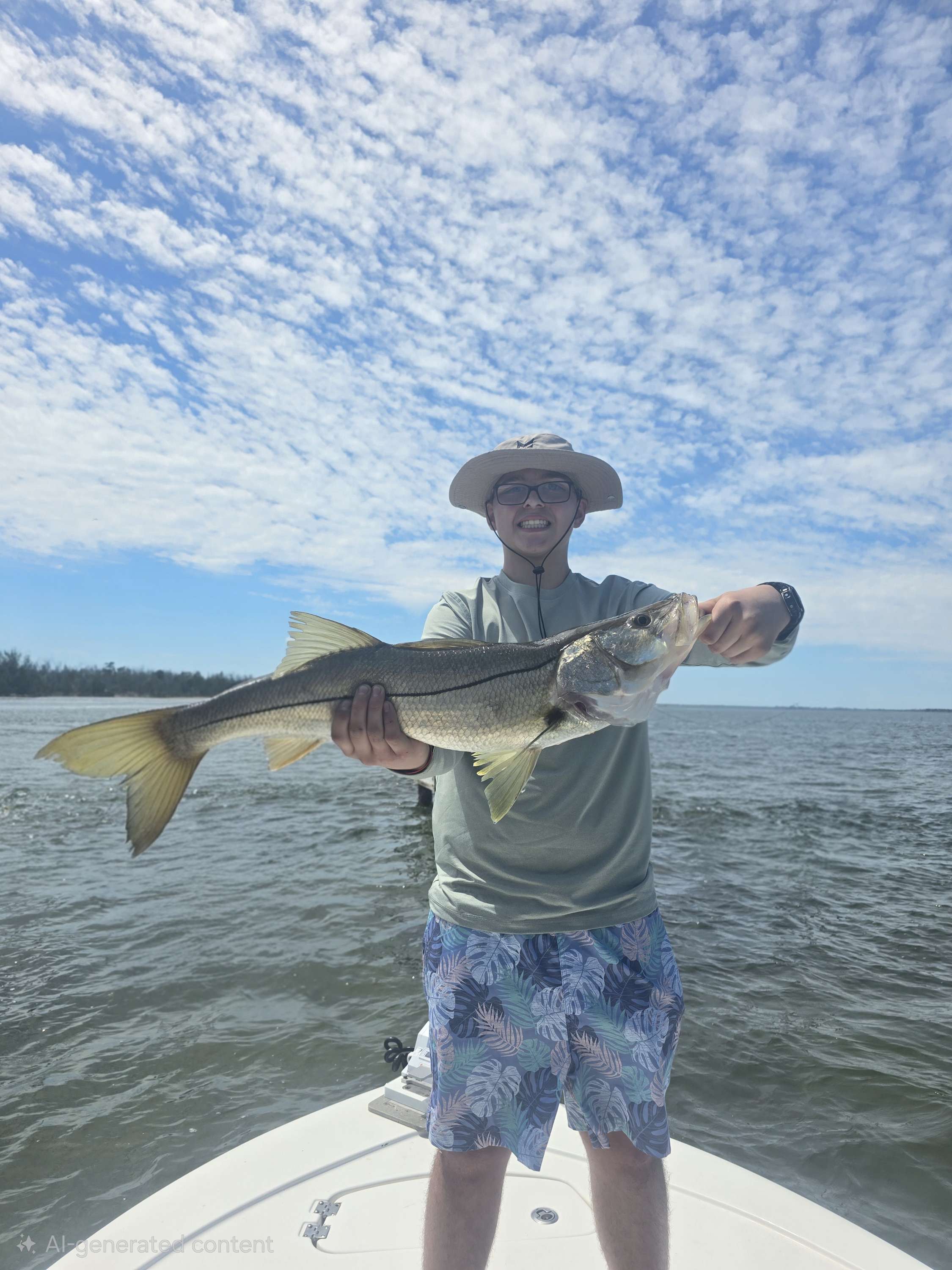
2. Advanced Artificial Lure Strategies & Daytime Presentations
While my personal go-to is often live bait when conditions allow, utilizing artificial lures lets you cover vast stretches of mangrove shoreline efficiently and trigger aggressive reaction strikes.
Soft Plastic & NLBN Swimbaits (3-Inch to 5-Inch): A 3-inch or larger swimbait rigged on a 1/4 oz to 3/8 oz jig head mimics fleeing pilchards or scaled sardines. For maximum profile around heavy structure, advanced soft plastics like NLBN (No Live Bait Needed) swimbaits or weighted weedless setups allow you to skip casts deep underneath mangrove branches where fish hold.
Jerk Shads & Soft Jerkbaits: Rigged weightless or with a light EWG hook, soft jerkbaits excel across shallow flats and around oyster bars. Twitching the bait with sharp rod snaps followed by an occasional, prolonged pause is critical; snook frequently strike the lure as it slowly suspends or flutters downward during the pause.
Topwater Walk-the-Dog Lures: During early morning low-light conditions or outgoing tides, throwing topwater plugs along mangrove shorelines is unmatched. Walking the bait rhythmically while mixing in deliberate pauses over shallow potholes and oyster points triggers explosive surface strikes.
3. Night Tactics: Bridges, Piers & Dark Swimbaits
While most of our guided trips are daytime inshore fishing trips around Fort Myers and Sanibel, nighttime bridge and pier fishing is a popular tradition in Southwest Florida.
- The Bridge & Pier Strategy: Targeting the shadow lines and sweeping current edges around the Blind Pass Bridge or the Sanibel Causeway at night can produce solid fish as tidal currents sweep bait past lit structures. Having remained closed since sustaining heavy damage during Hurricane Ian in September 2022, the Sanibel Fishing Pier is also expected to welcome anglers back following temporary repairs, with reopening currently anticipated in late November or early December 2026, pending completion and necessary approvals. The permanent replacement pier is planned separately. Check current local access information before making the trip.
- The Flare Hawk Jig & Dark Swimbaits: Throwing a heavy Flare Hawk bucktail jig or a 4-inch to 6-inch swimbait in a dark purple or black silhouette is legendary at night. Dark colors create a strong silhouette against ambient light, while the lure's movement and vibration help fish locate it in low-light conditions.
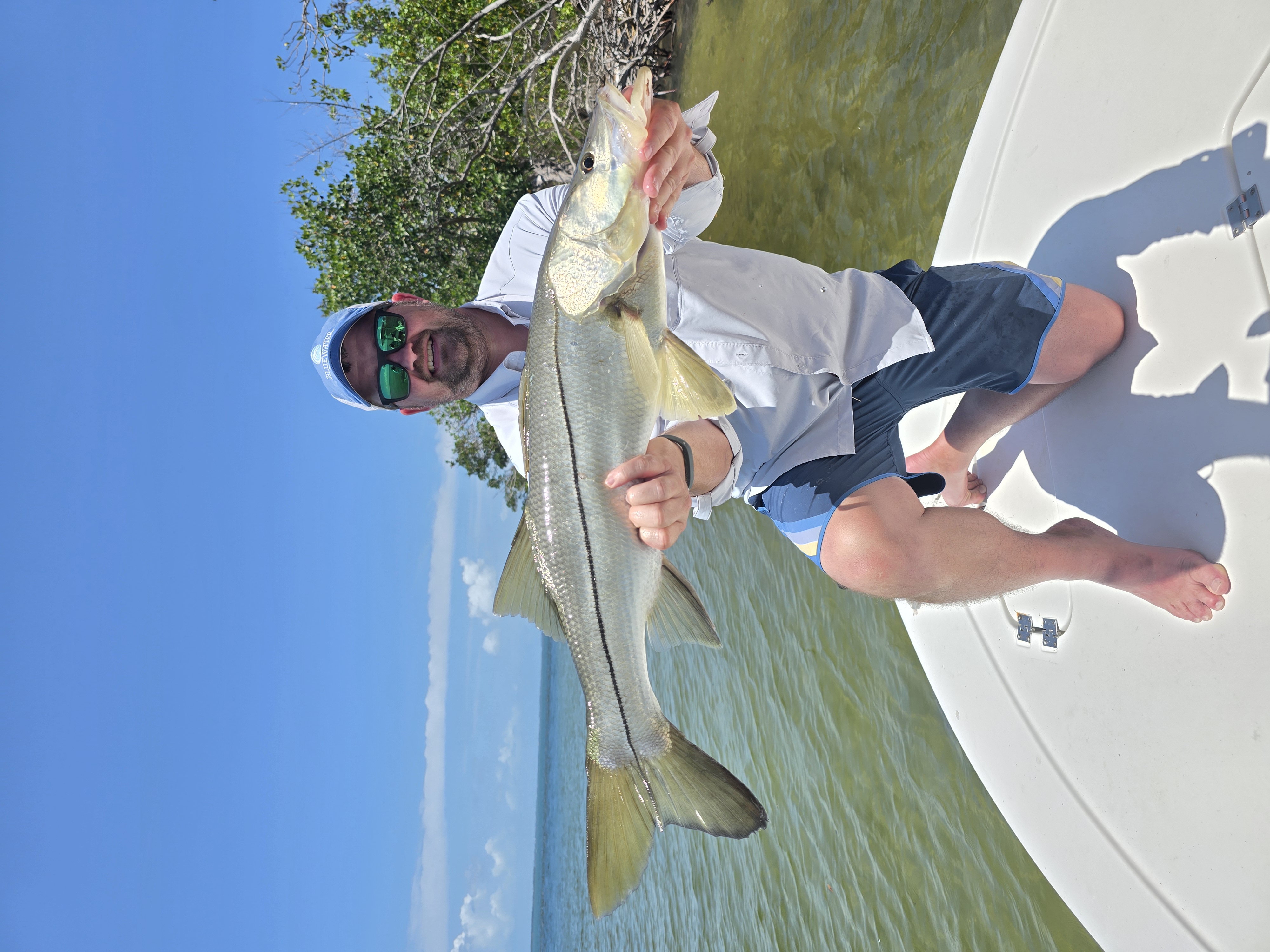
4. Proven Live Bait & Heavy Bridge Tackle Setups
When targeting quality fish around abrasive structure, your terminal tackle must be built to withstand punishing runs.
Standard Inshore Gear
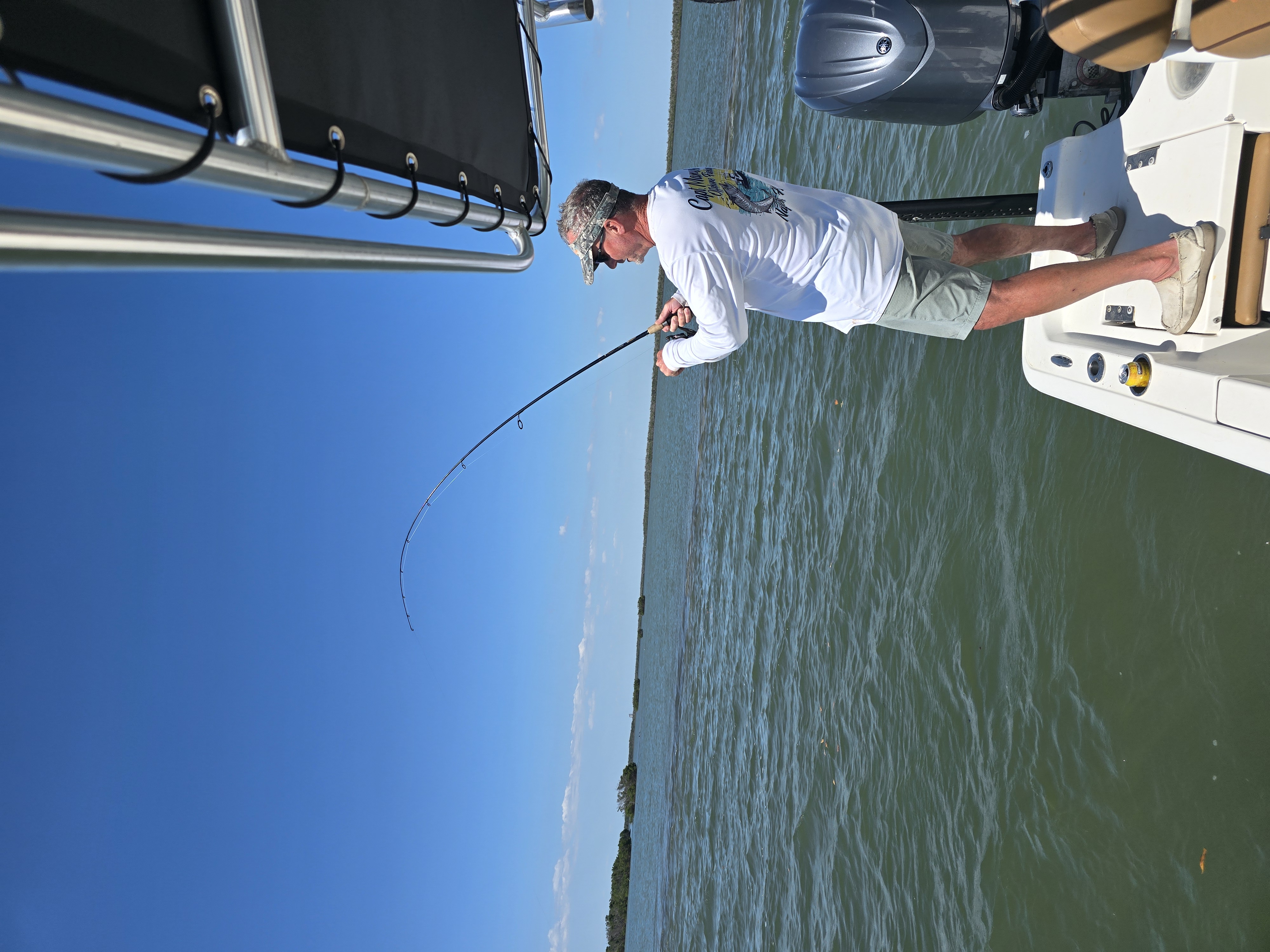
Standard Inshore Gear: For general backcountry and mangrove fishing, a 7-foot to 7-foot-6-inch medium-heavy, fast-action spinning rod paired with a reliable 3000 to 4000-series reel spooled with 15lb to 20lb braided line and a 40 lb fluorocarbon leader provides the ideal balance of finesse and stopping power.
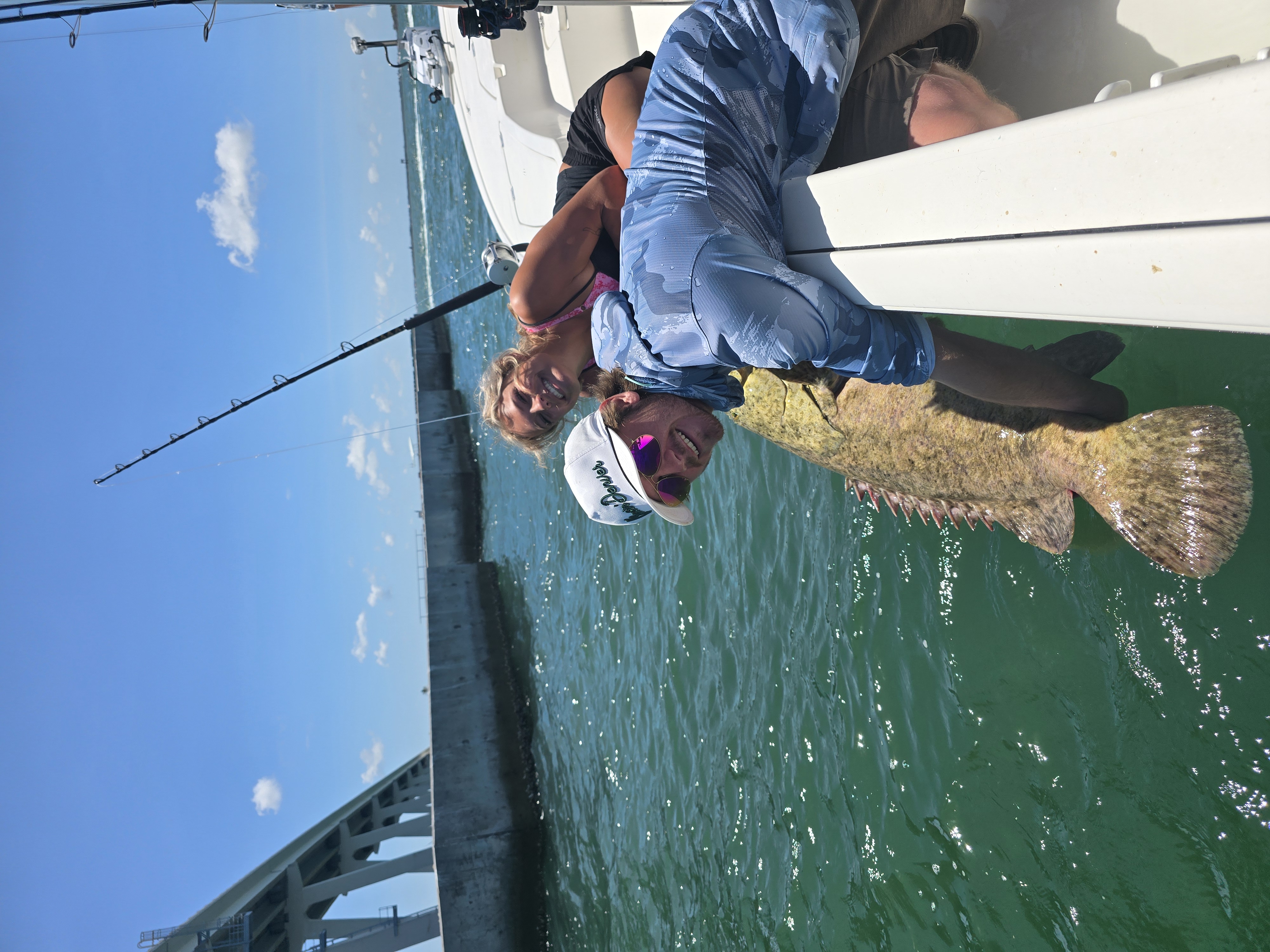
Heavy Bridge Gear
Heavy Bridge Gear: When targeting bridge-dwelling fish around heavy concrete pilings, experienced anglers step up to a 5000 to 6000-size reel on a heavy-action rod, spooled with 50-pound braided line and a 50 to 60-pound fluorocarbon leader to keep fish out of the structure.
The Live Bait Selection
The Live Bait Selection: Live pilchards (whitebait), threadfin herring, or energetic live shrimp hooked lightly through the nose or dorsal area ensure a natural presentation.
5. Timing the Tides & Adapting to Conditions
Water movement is one of the most important factors in inshore fishing, but success also requires honesty and adaptability.
- Working Moving Tides: Snook feed actively when water is moving, with productive feeding windows occurring across varying stages of the incoming and outgoing tides depending on the specific location, structure, and weather conditions.
- Adaptability is Everything: Every day on the water is different. If the bite isn't happening in one creek or mangrove pocket, we don't sit and stare at the water—we pick up, move, and adapt to changing conditions until we find active fish.
Responsible Snook Handling and Catch-and-Release
Snook are valuable sportfish in Southwest Florida, and responsible handling matters. When releasing a snook, try to keep the fish in the water as much as possible, wet your hands before handling it, support its body properly, and avoid hanging it vertically by the jaw. Take a quick photo when conditions allow, then give the fish time to recover before letting it swim away.
What to Expect on a Guided Snook Fishing Charter in Fort Myers & Sanibel
Reading articles is a great way to learn, but experiencing the real thing on the water is unmatched. When you book one of our private 4-, 6-, or 8-hour inshore fishing trips with Chum Crazy Charters, here is what you can expect:
- Customized Backcountry Strategy: Whether you are looking for a trip focused on targeting snook or a diverse multi-species day, we target mangrove shorelines, current-driven points, and oyster bars tailored specifically to the day's weather and tide conditions.
- Expert Local Instruction: Whether you want to master skipping soft plastics under mangrove roots or finesse live bait into tight structure, I provide hands-on guidance for all skill levels.
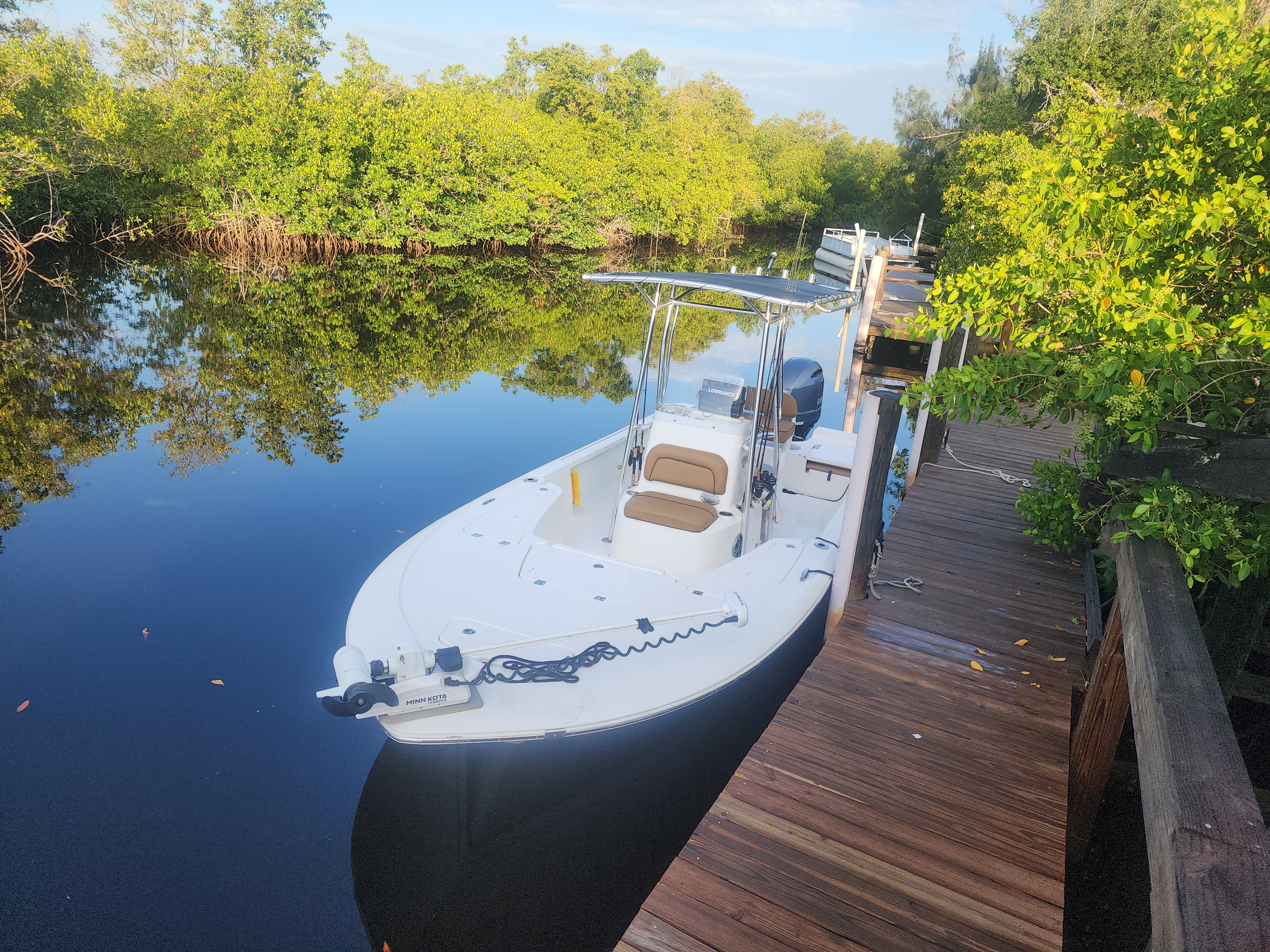
- Departing from Punta Rassa: All trips launch out of the Punta Rassa Boat Ramp aboard our 21-foot Tidewater bay boat. Rods, reels, tackle, bait, and fishing licenses are included, so you can spend your time fishing instead of worrying about bringing equipment.
Ready to experience Southwest Florida inshore fishing firsthand? Check our availability and Book Your Charter Here.
Frequently Asked Questions (FAQ)
1. Do I need to bring my own fishing gear or licenses?
No. All fishing licenses, rods, reels, tackle, and live bait are provided on every Chum Crazy Charters trip. Just bring your polarized sunglasses, hat, sunscreen, and snacks or drinks.
2. Where do the charters depart from?
All of our inshore and nearshore charters depart directly from the Punta Rassa Boat Ramp located at the base of the Sanibel Causeway in Fort Myers, Florida.
3. Do you practice catch-and-release when targeting snook?
Yes. Snook are one of Southwest Florida's most iconic inshore gamefish, and we encourage anglers to handle them responsibly and release them whenever possible. Proper handling helps give these fish the best chance of survival so they can continue to be part of our local fishery for future generations. We take pride in getting anglers the opportunity to catch, photograph, and release these hard-fighting fish.
4. What if the weather or water conditions are tough?
That's part of fishing! As a local guide on the water since 2013, I constantly monitor weather, wind, tides, and water conditions so I can adjust our game plan when needed. Some days require more moving around and adapting than others, but I'll always work to make the most of the conditions we're given.