How to Catch Redfish Around Sanibel Island, Fort Myers Beach, Fort Myers & Estero Bay
Redfish (red drum, Sciaenops ocellatus) are one of the hardest-fighting and most dependable inshore targets in Southwest Florida. With their bronze backs, powerful shoulders, and distinct black tail spots, catching redfish around the shallow flats, oyster bars, and mangrove shorelines of Sanibel Island, Fort Myers, Fort Myers Beach, Estero Bay, Pine Island Sound, and San Carlos Bay is a highlight for anglers of all skill levels.
I’m USCG-licensed Captain Drew Underwood of Chum Crazy Charters. I’ve fished Florida waters my entire life and have professionally guided anglers since 2013 out of the Punta Rassa Boat Ramp at the base of the Sanibel Causeway. Redfish are tough, adaptable, and willing to eat a variety of baits when you put yourself in the right areas. Here is a practical breakdown of how we locate and target redfish across our local backwaters.
1. Locating Redfish: Oyster Bars, Mangrove Roots & Shallow Flats
Redfish are active foragers that often cruise shallow bottoms and work around structure in search of crabs, shrimp, and baitfish.
- Mangrove Shorelines on Higher Tides: As the tide rises and floods the outer mangrove roots, redfish push tight against—and often right underneath—the overhanging branches to hunt for small crabs and baitfish hiding in the shade.
- Oyster Bars and Shelly Points: Oyster bars are prime feeding grounds across Pine Island Sound, Estero Bay, and San Carlos Bay. Redfish patrol the edges and drop-offs around these bars as water moves across the shells, listening and looking for crustaceans and small fish.
- Shallow Grass Flats and Sand Potholes: During lower tide stages when water pulls off the mangroves, redfish slide out onto adjacent grass flats, troughs, and sandy potholes. On calm, sunny days in shallow water, you can sometimes spot them cruising the edges, pushing wakes, or even tailing as they nose down into the bottom for food.
- Docks and Channel Edges: Around Sanibel Island, Fort Myers Beach, and Fort Myers, deeper residential docks and channel ledges hold solid redfish, especially during cooler weather or mid-day sun when fish want deeper water and overhead shade.
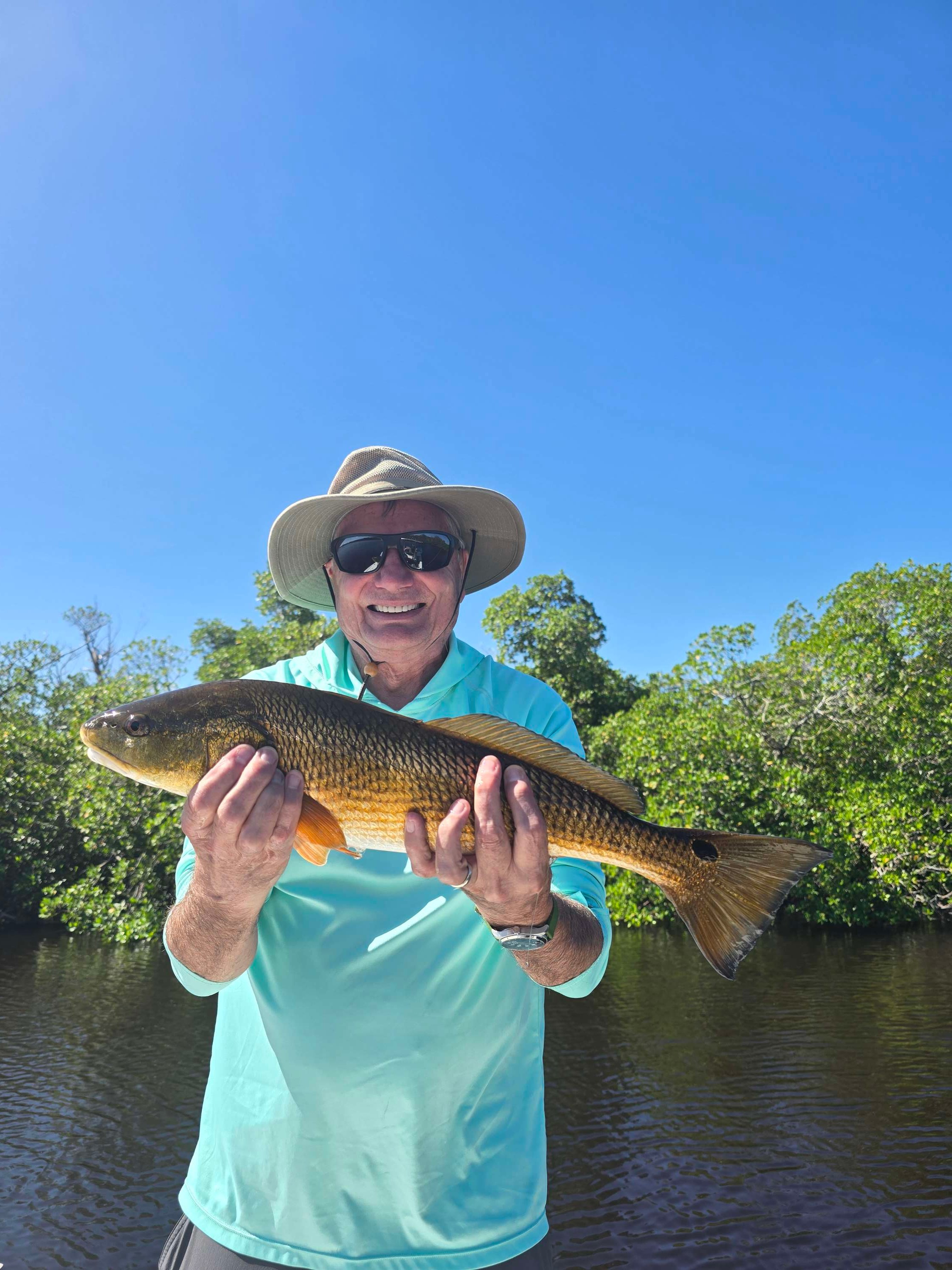
2. Live Bait & Cut Bait Strategies for Southwest Florida Redfish
Because redfish rely heavily on their sense of smell and downward-facing mouths to feed along the bottom, natural baits are consistently productive year-round.
- Live Pilchards, Pinfish, and Threadfins: When redfish are cruising mangrove shorelines, grass edges, and points, live pilchards (whitebait), small live pinfish, or threadfin herring—either freelined, fished on the bottom, or suspended under a popping cork—draw aggressive strikes from hungry fish.
- Live Shrimp on a Jig Head or Knocker Rig: Shrimp is one of the most reliable redfish baits in Southwest Florida. Pitching a live shrimp on a light 1/8 oz to 1/4 oz jig head, a split-shot rig, or under a popping cork over shallow grass flats and oyster edges will get the attention of nearly any cruising redfish.
- Cut Bait for Scent in Stained Water: When the water is murky, windblown, or cooler, scent makes a huge difference. Soaking a fresh piece of cut ladyfish, mullet, threadfin, or pinfish along a mangrove point or oyster bar edge lets the tide carry the scent trail downstream, drawing redfish right to your hook.
3. Effective Artificial Lures for Flats & Shorelines
Redfish are aggressive toward artificial lures that imitate fleeing shrimp or injured baitfish, making them a great target when covering water along the flats and shorelines.
- Soft Plastic Swimbaits: A 3-inch to 4-inch soft plastic swimbait rigged on a 1/8 oz to 1/4 oz jig head—or rigged weedless on a weighted swimbait hook—is a workhorse setup. Retrieve it steadily over grass beds or bump it slowly along sandy potholes and oyster edges.
- Gold Spoons: A classic weedless gold spoon is tough to beat when covering shallow grass flats. Its flash and wobble mimic a fleeing baitfish or crab while sliding cleanly through turtle grass without fouling.
- Shrimp Imitations and Jerkbaits: Soft plastic shrimp lures and scented jerkbaits bounced slowly along the bottom work exceptionally well when fish are keyed in on crustaceans or moving slowly during cooler mornings.

4. Recommended Tackle Setups for Inshore Redfish
You don't need overly heavy gear to enjoy catching redfish, though you do need enough backbone and abrasion resistance to steer them away from sharp oyster shells and mangrove roots.
- Rods and Reels: A 7-foot to 7-foot-6-inch medium to medium-heavy, fast-action spinning rod paired with a smooth 3000 to 4000-size spinning reel gives you long casting distance and plenty of control during the fight.
- Line and Leader: We typically spool up with 15-pound to 20-pound braided main line tied to a 30-pound to 40-pound fluorocarbon leader. While a 30-pound leader is great on open grass flats, stepping up to 40-pound fluorocarbon helps prevent cutoffs when fishing tight against barnacle-covered mangrove roots and sharp oyster bars.
5. Reading the Tides & Adapting on the Water
Understanding how tide height affects where redfish can swim is one of the biggest keys to putting together a good day.
Working Moving Tides: Redfish feed actively when water is moving, with productive feeding windows occurring across varying stages of the incoming and outgoing tides depending on the specific location, structure, and weather conditions.
Staying Mobile: Just like when we are targeting local snook, adaptability is everything on the water. If the bite isn't active along one flat or oyster bar, we don't sit in one spot hoping things change—we pick up, cover water, and adjust our tactics until we find feeding fish.
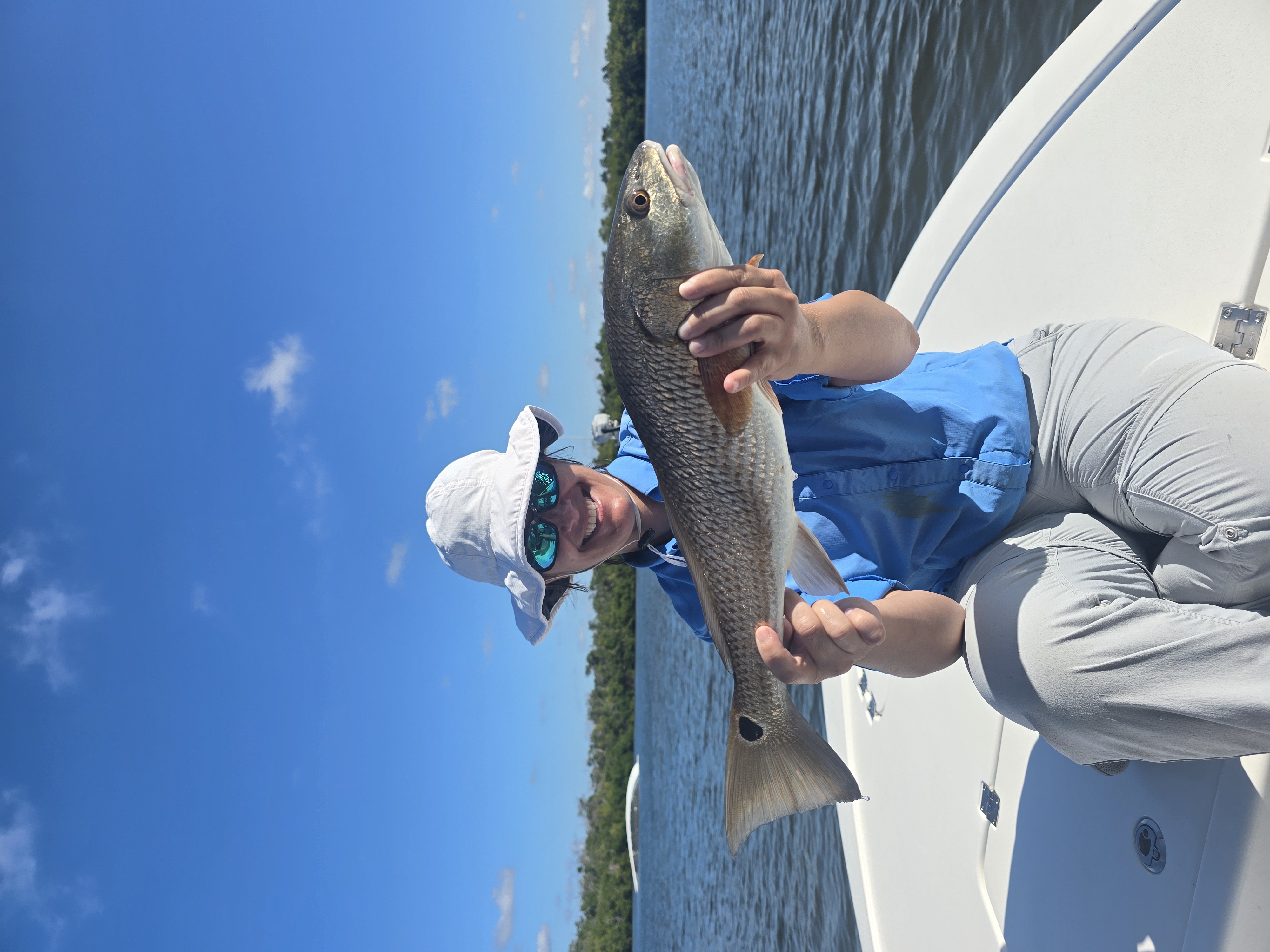
Proper Redfish Handling for Released Fish
Redfish are an iconic part of our Southwest Florida inshore fishery. When releasing oversized breeders or fish outside the slot, wetting your hands first, supporting the fish horizontally under its belly rather than hanging it vertically, and keeping it in the water as much as possible helps ensure it swims off strong after a quick photo.
What to Expect on a Guided Redfish Charter in Fort Myers & Sanibel
Whether you are visiting Southwest Florida with family or looking to sharpen your local inshore skills, booking one of our private 4-, 6-, or 8-hour inshore fishing trips with Chum Crazy Charters puts you right in the action:
- Tailored Game Plans: Depending on the tides, wind, and season, we work the mangrove shorelines, oyster bars, and shallow flats around Sanibel Island, Fort Myers Beach, Estero Bay, Pine Island Sound, and San Carlos Bay.
- Hands-On Guidance: I personally guide every trip and help anglers of all experience levels dial in their casting, bait presentation, and hooksets.
- Convenient Punta Rassa Departure: All charters depart from the Punta Rassa Boat Ramp aboard our 21-foot Tidewater bay boat. Rods, reels, tackle, bait, and fishing licenses are included, so you can spend your time fishing instead of worrying about bringing equipment.
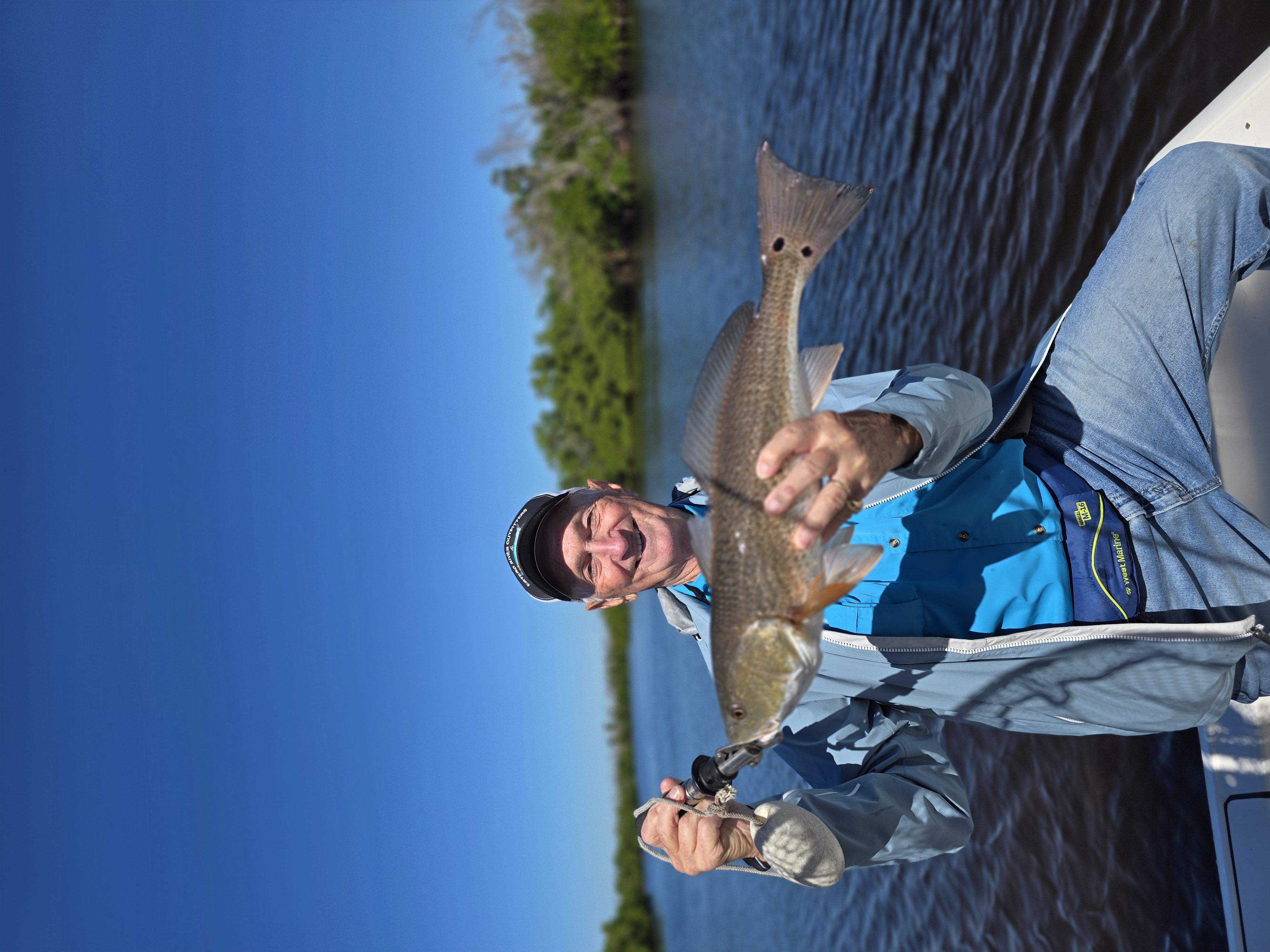
Ready to get out on the water? Check our current availability and Book Your Charter Here.
Frequently Asked Questions (FAQ)
1. What time of year is best for catching redfish around Sanibel and Fort Myers?
Redfish live in our inshore waters year-round. Warmer months offer great action along the mangrove roots and oyster bars on moving tides, while late summer and fall often bring larger schools of redfish across the flats and passes. Winter low tides also create exciting shallow-water fishing in potholes and troughs.
2. Can we catch both redfish and snook on the same charter?
Yes! Redfish, snook, and spotted seatrout frequently share the exact same mangrove shorelines, points, and oyster bars in Pine Island Sound, Estero Bay, and San Carlos Bay, making multi-species inshore trips very common.
3. Where do your fishing charters depart from?
All of our inshore and nearshore trips depart from the Punta Rassa Boat Ramp located at the base of the Sanibel Causeway in Fort Myers, Florida.
4. Is equipment and bait included in the trip price?
Yes. All fishing licenses, rods, reels, tackle, and bait are provided on every Chum Crazy Charters trip, along with bottled water on board. Just bring your polarized sunglasses, hat, sunscreen, and any snacks or drinks you'd like.